


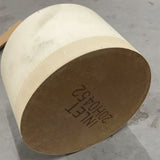

Diesel Exhaust Aftertreatment
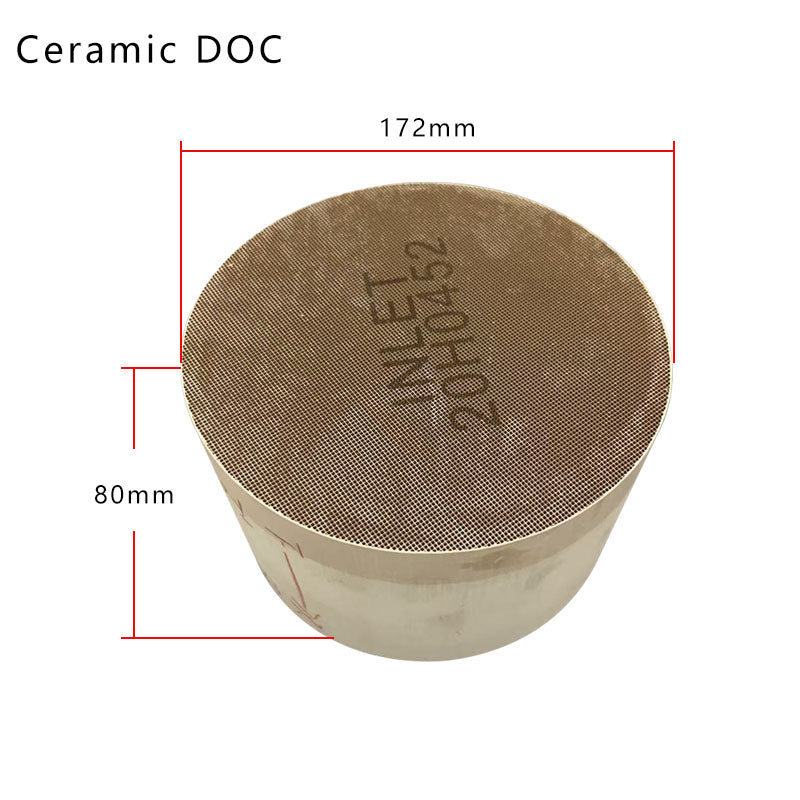
Diesel Oxidation Catalyst (DOC), 172 × 80 mm
Ceramic honeycomb diesel oxidation catalyst featuring 400 CPSI cell density and 50 g/ft³ platinum-group metal loading, intended for integration into compatible diesel vehicle exhaust aftertreatment systems.
Product Overview
This diesel oxidation catalyst combines a ceramic honeycomb substrate with a platinum-group metal (PGM) catalytic coating. Its specified size of 172 × 80 mm, cell density of 400 CPSI, and PGM loading of 50 g/ft³ provide key specifications for evaluating its suitability for a diesel exhaust system.
Product selection should take account of installation dimensions, exhaust flow, operating temperatures, and the required emissions performance.
Technical Specifications
| Parameter | Specification |
|---|---|
| Product Type | Diesel Oxidation Catalyst (DOC) |
| Intended Application | Diesel vehicle exhaust aftertreatment |
| Specified Size | 172 × 80 mm |
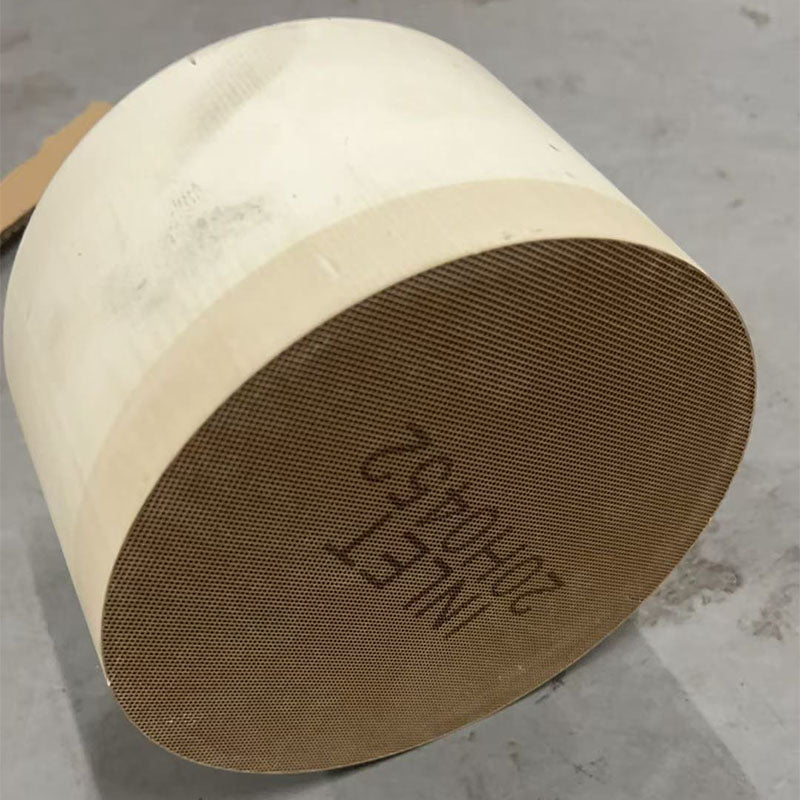
| Substrate Material | Ceramic |
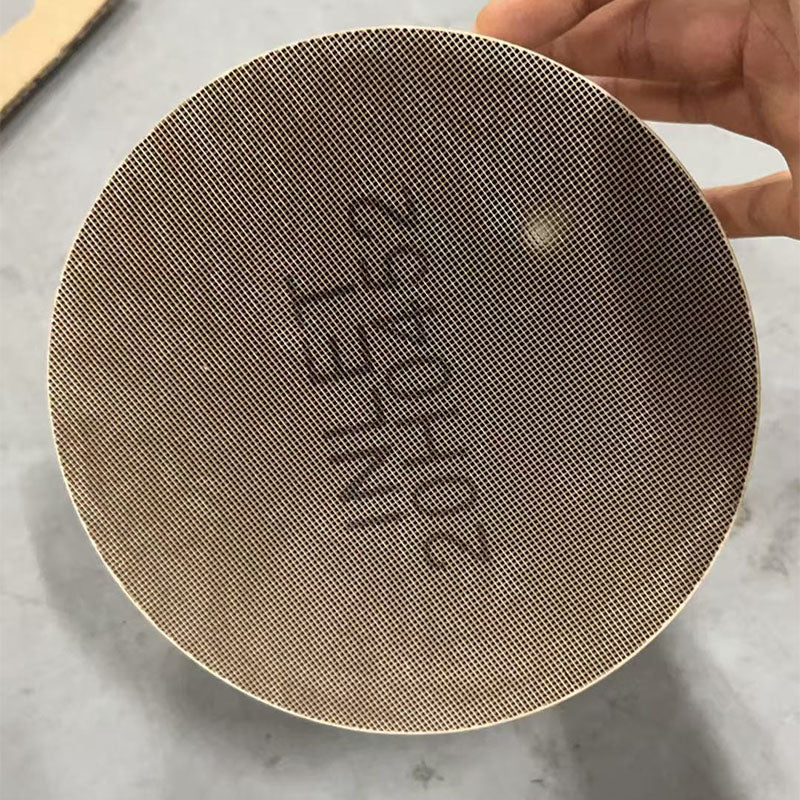
| Substrate Structure | Honeycomb |
| Cell Density | 400 CPSI — cells per square inch |
| PGM Loading | 50 g/ft³ |
| Vehicle Compatibility | Requires application-specific confirmation |
Confirm dimension orientation and manufacturing tolerances against the product drawing before ordering.
Key Features
Ceramic Honeycomb Substrate
A multi-channel ceramic structure provides a surface for the catalytic coating and passages for exhaust gas flow.
400 CPSI Cell Density
A defined channel density for evaluation alongside substrate wall thickness, exhaust flow, and permitted system backpressure.
50 g/ft³ PGM Loading
Specifies the platinum-group metal loading per unit substrate volume. Individual metal composition and ratios should be confirmed separately.
172 × 80 mm Size
A specified size for checking installation space and housing compatibility during exhaust system design and component selection.
How Does a Diesel Oxidation Catalyst Work?
A DOC promotes oxidation reactions in diesel exhaust. Its primary role is to help convert carbon monoxide (CO) and unburned hydrocarbons (HC) into carbon dioxide and water.
Actual conversion performance depends on catalyst formulation, exhaust temperature, gas composition, flow rate, and catalyst condition. The specifications listed here do not establish a particular conversion efficiency.
Application and Compatibility
This ceramic DOC is intended for diesel vehicle exhaust systems where its dimensions and catalyst specifications meet the system design requirements.
Before ordering, confirm the following:
- Required catalyst dimensions and installation space.
- Engine displacement and exhaust flow range.
- Exhaust operating temperatures and fuel specifications.
- Permitted backpressure and housing requirements.
- Required emissions performance and supporting test data.
Size, cell density, and PGM loading alone do not establish vehicle compatibility or compliance with a particular emissions standard.
Frequently Asked Questions
What does 400 CPSI mean?
CPSI means cells per square inch. A 400 CPSI honeycomb has approximately 400 channels per square inch of its cross-sectional area.
What does 50 g/ft³ PGM loading mean?
It describes the mass of platinum-group metals per cubic foot of substrate volume. It does not mean that each catalyst contains 50 grams of precious metal, and it does not specify the individual metal ratio.
Is this DOC suitable for every diesel vehicle?
Compatibility must be checked against the engine, exhaust system, installation dimensions, and required performance. It is not established by product size alone.
Does this specification confirm an emissions certification?
No. Any emissions certification or compliance claim must be supported by documentation and testing applicable to the intended vehicle or system.
Request a Quote
Looking for a 172 × 80 mm diesel oxidation catalyst with 400 CPSI and 50 g/ft³ PGM loading? Send your required quantity, installation drawing, engine information, and target performance requirements to request a quotation and confirm suitability.


